
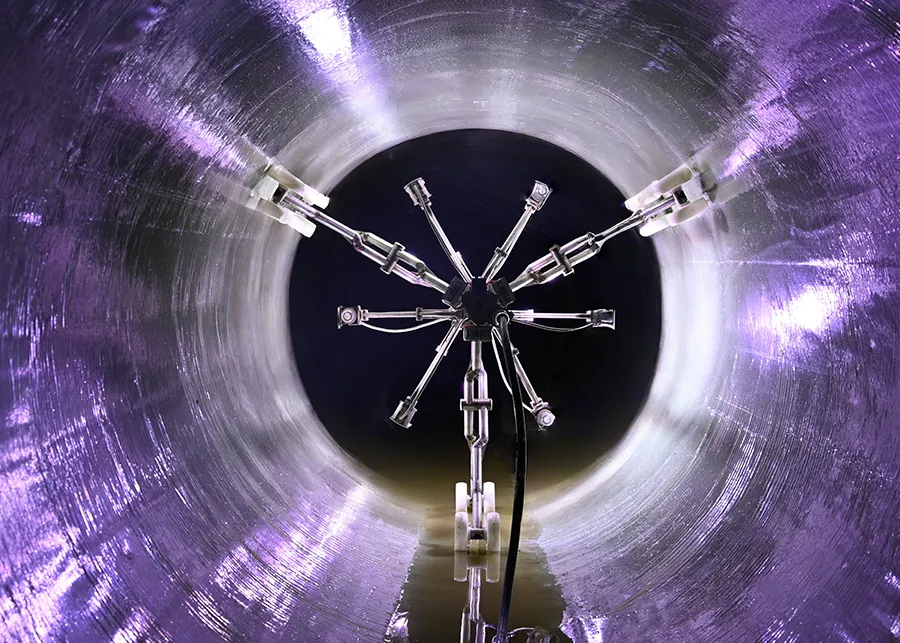
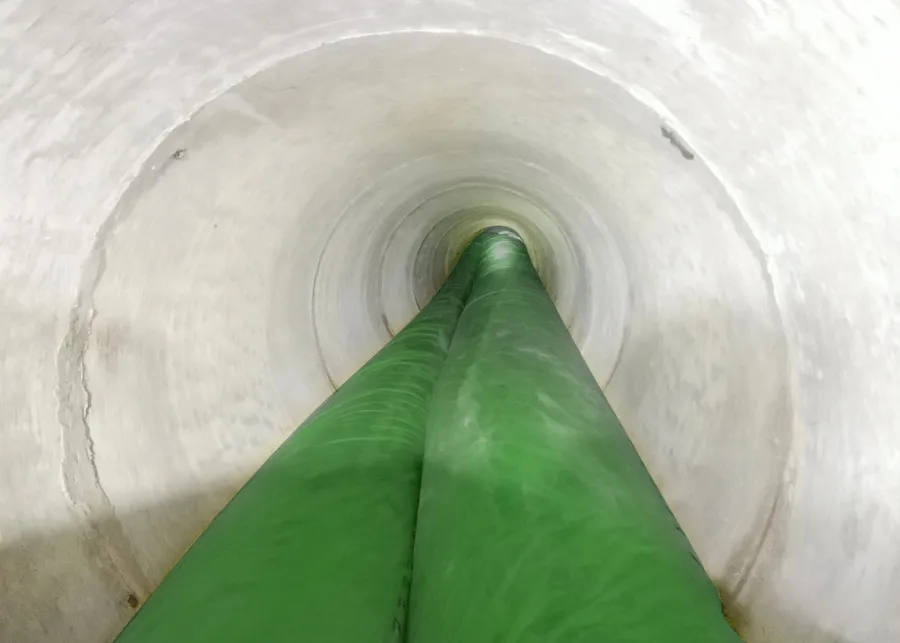
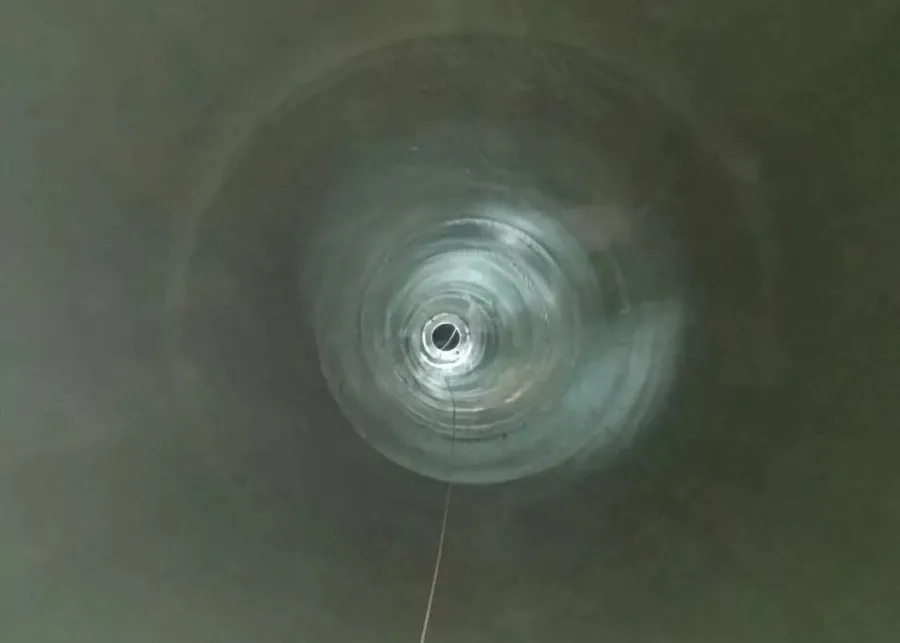
Pro-liner DN1800 UV-CIPP liner
Wall thickness:12mm
Length:153.2m( Total 5 sections)
Application:Concrete rainwater pipes
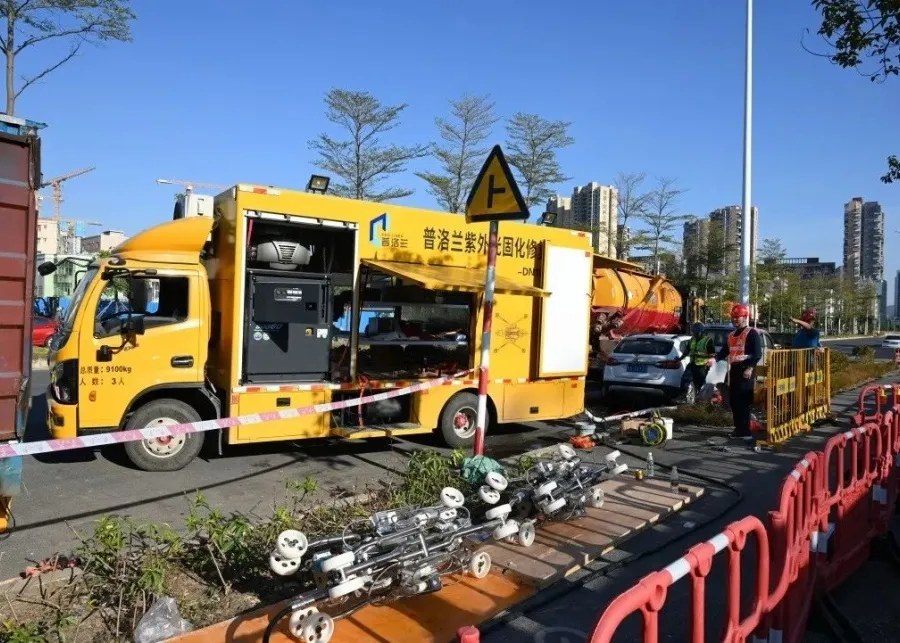
Project Introduction:This was a concrete pipe with a burial depth of 5 meters,due to its long service life, there were multiple cracks and damages inside the rainwater pipe. Large transport vehicles often passed through the road surface, so the pipe was at risk of collapse and urgently needed overall rehabilitation.
Construction Challenge:
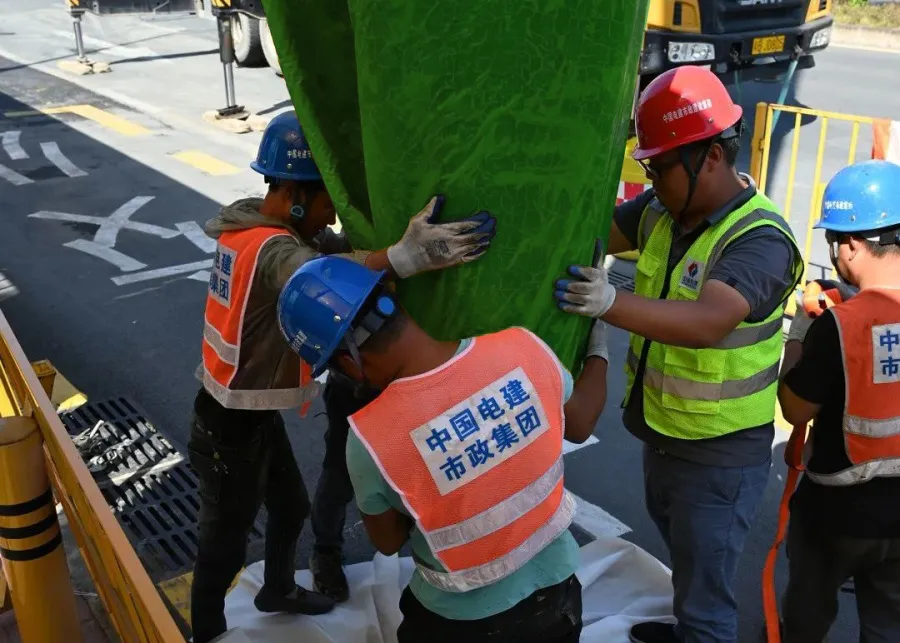
1. The wellhead was relatively small, and there was a displacement deviation between the pipe to be repaired and the wellhead. To prevent the outer membrane from being scratched during liners handling, we installed protective padding around the wellhead during construction. Additionally, due to the considerable width of the DN1800, we folded the liners multiple times to facilitate its entry into the well.
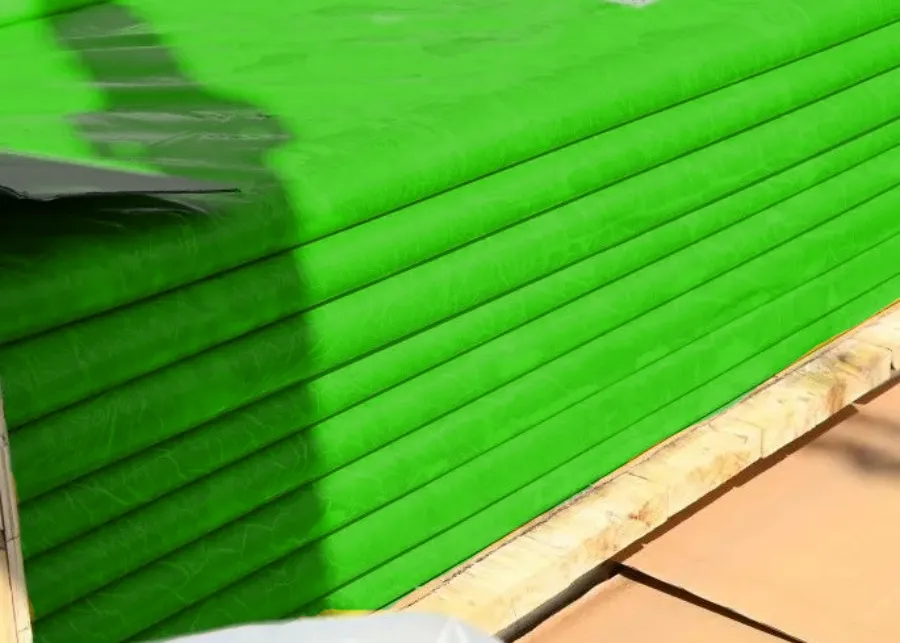
2. The UV-CIPP liners used here was 12mm thick, which was over 10% heavier and wider than the 1600mm. On-site, a combination of crane arm and manual winding was employed to guide the 30-meter-long liner into the pipe, preventing twisting or damage during insertion that could compromise curing effectiveness.
3. During the on-site construction and pressure control process, we gradually adjust the pressure step by step and monitor the pressure inside the pipe in real-time to ensure the smooth completion of the project.
Wall thickness:12mm
Length:153.2m( Total 5 sections)
Application:Concrete rainwater pipes
Project Introduction:This was a concrete pipe with a burial depth of 5 meters,due to its long service life, there were multiple cracks and damages inside the rainwater pipe. Large transport vehicles often passed through the road surface, so the pipe was at risk of collapse and urgently needed overall rehabilitation.
Construction Challenge:
1. The wellhead was relatively small, and there was a displacement deviation between the pipe to be repaired and the wellhead. To prevent the outer membrane from being scratched during liners handling, we installed protective padding around the wellhead during construction. Additionally, due to the considerable width of the DN1800, we folded the liners multiple times to facilitate its entry into the well.
2. The UV-CIPP liners used here was 12mm thick, which was over 10% heavier and wider than the 1600mm. On-site, a combination of crane arm and manual winding was employed to guide the 30-meter-long liner into the pipe, preventing twisting or damage during insertion that could compromise curing effectiveness.
3. During the on-site construction and pressure control process, we gradually adjust the pressure step by step and monitor the pressure inside the pipe in real-time to ensure the smooth completion of the project.
 |
 |
 |
 |
 |
 |
|
|
|
|
|
|
Get Solution




Copyright © 2026 Anhui Pro-liner Pipeline Repair Technology Co., Ltd.