
Pro-liner DN600 UV-CIPP liner( extreme cold weather)
Wall thickness:7mm
Length:47.1m
Application:Sewage pipe
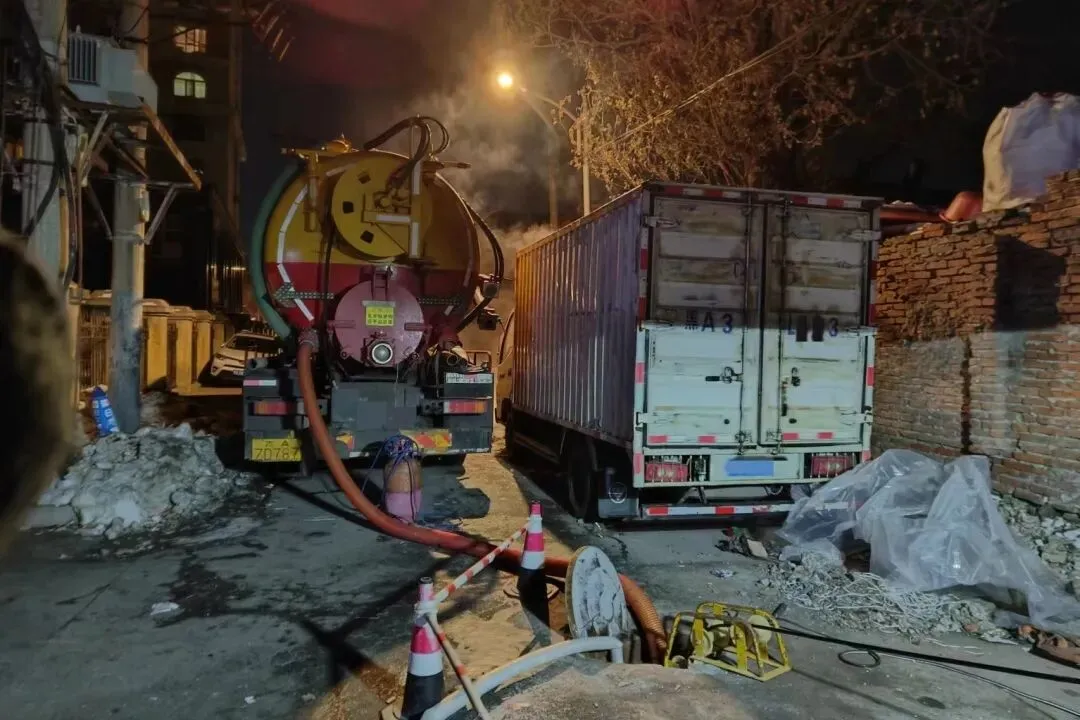
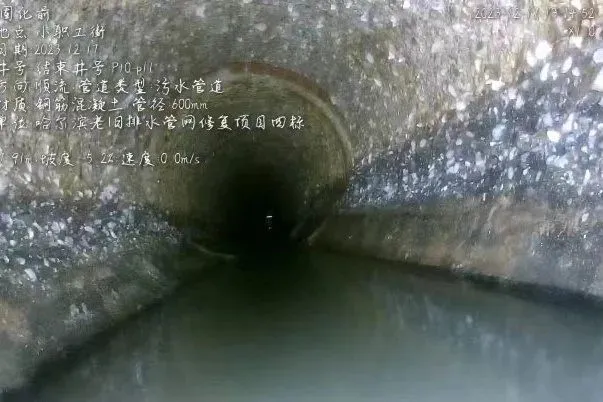
Project Introduction:Located in an old residential area, pipe damage and aging have always been a difficult problem to solve. Due to the cold weather, rehabilitation work had become extremely difficult, and traditional excavation based rehabilitation methods often cannot achieve optimal results in extreme environments. Due to the large number of schools and residents around the construction site, as well as the high density of vehicles and pedestrians, trenchless construction had become the best choice for this restoration.
Construction Challenge:
1. The transportation of UV-CIPP liners must be carried out using insulated vehicles throughout the entire process.
2. The UV-CIPP liners should be stored in a constant temperature warehouse at (5-25) ℃, and should not be exposed to a sub zero environment for a long time:
2.1 Construction low temperature requirements for Pro-liner UV-CIPP liners: Exposure to -5 ℃ for no more than 2 hours. If the actual situation did not allow, it was necessary to set up an insulation shed or use hot air equipment to keep the liners warm against the cold.
2.2 The relevant preparation work should be in place to quickly complete the input of the UV-CIPP liners, and shorten the exposure time of the liners to extremely cold weather.
3. If the UV-CIPP liners is exposed to low temperature weather due to uncontrollable factors, it is recommended to insulate and wait inside the pipe. The liner will gradually warm up and become soft, and then tie the packer.
4. When maintaining pressure, it is recommended to extend the holding time (more than 30 minutes) and wait for the UV-CIPP liners to fully adhere to the pipe wall.
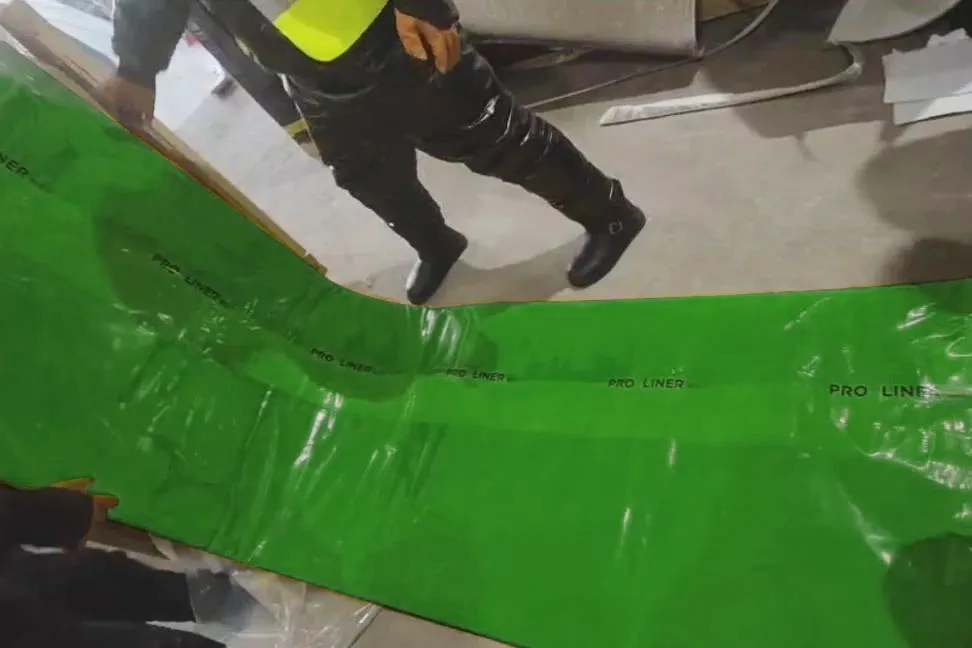
5.When laying the base film, use cold protection equipment as much as possible to prevent the base film from being in direct contact with low-temperature weather for a long time. And try to pull the base film at a reduced speed to avoid breaking it.
6. When first turning on the UV lamp for curing, it is recommended to reduce the curing speed.After the temperature display returns to normal, restore the curing speed.
Wall thickness:7mm
Length:47.1m
Application:Sewage pipe
Project Introduction:Located in an old residential area, pipe damage and aging have always been a difficult problem to solve. Due to the cold weather, rehabilitation work had become extremely difficult, and traditional excavation based rehabilitation methods often cannot achieve optimal results in extreme environments. Due to the large number of schools and residents around the construction site, as well as the high density of vehicles and pedestrians, trenchless construction had become the best choice for this restoration.
Construction Challenge:
1. The transportation of UV-CIPP liners must be carried out using insulated vehicles throughout the entire process.
2. The UV-CIPP liners should be stored in a constant temperature warehouse at (5-25) ℃, and should not be exposed to a sub zero environment for a long time:
2.1 Construction low temperature requirements for Pro-liner UV-CIPP liners: Exposure to -5 ℃ for no more than 2 hours. If the actual situation did not allow, it was necessary to set up an insulation shed or use hot air equipment to keep the liners warm against the cold.
2.2 The relevant preparation work should be in place to quickly complete the input of the UV-CIPP liners, and shorten the exposure time of the liners to extremely cold weather.
3. If the UV-CIPP liners is exposed to low temperature weather due to uncontrollable factors, it is recommended to insulate and wait inside the pipe. The liner will gradually warm up and become soft, and then tie the packer.
4. When maintaining pressure, it is recommended to extend the holding time (more than 30 minutes) and wait for the UV-CIPP liners to fully adhere to the pipe wall.
5.When laying the base film, use cold protection equipment as much as possible to prevent the base film from being in direct contact with low-temperature weather for a long time. And try to pull the base film at a reduced speed to avoid breaking it.
6. When first turning on the UV lamp for curing, it is recommended to reduce the curing speed.After the temperature display returns to normal, restore the curing speed.
 |
 |
 |
 |
|
|
|
|
Get Solution




Copyright © 2026 Anhui Pro-liner Pipeline Repair Technology Co., Ltd.