
Pro-liner DN800 UV-CIPP liner with Enhanced waterproof outer film
Wall thickness:9mm
Length:60.6m
Application:Sewage pipe
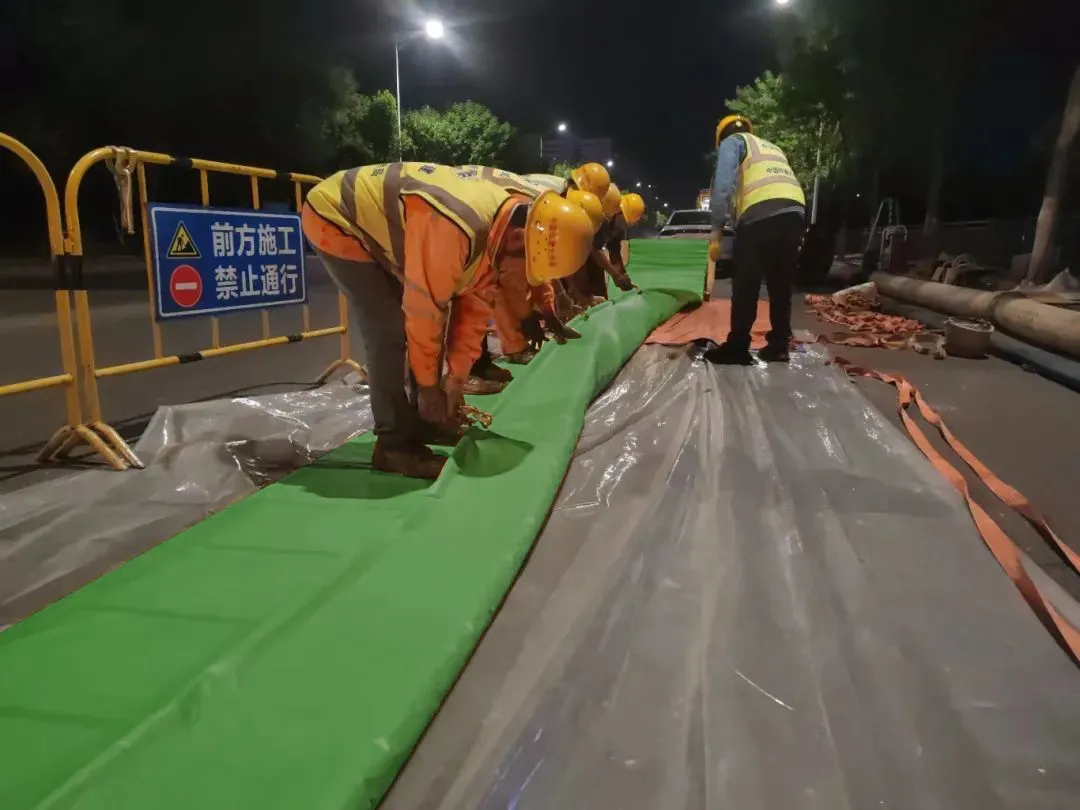
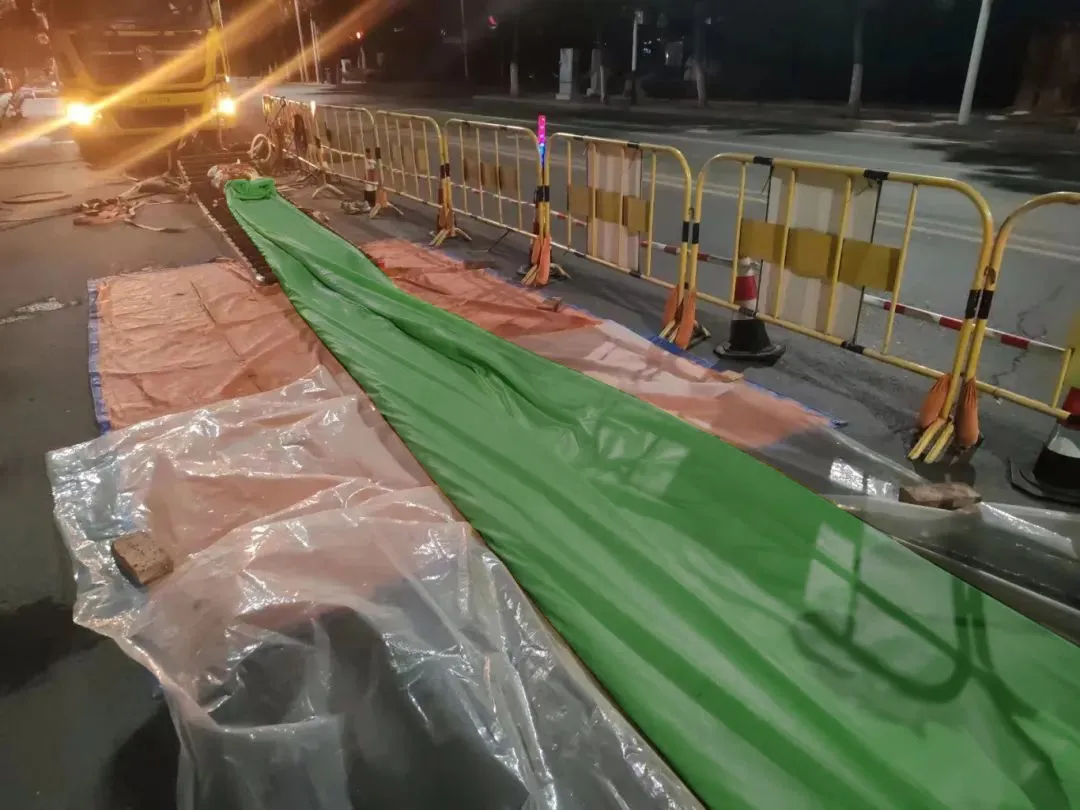
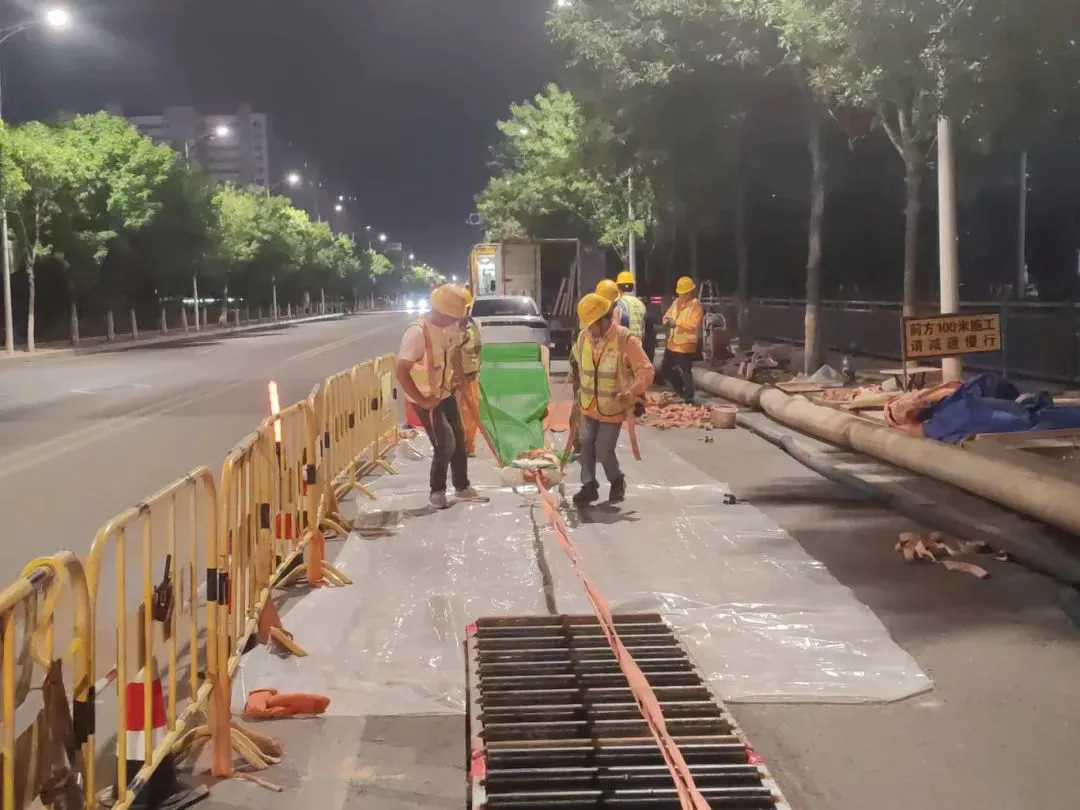
Project Introduction:The pipe to be repaired was a DN800, 9mm sewage pipe with a total length of 60.6 meters. Due to the serious signs of aging in some areas of the sewage pipe system in this section, problems such as damage and leakage continue to emerge, which not only affected the normal operation of the urban sewage drainage system, but also posed potential pollution risks to the surrounding environment.
Construction Challenge:
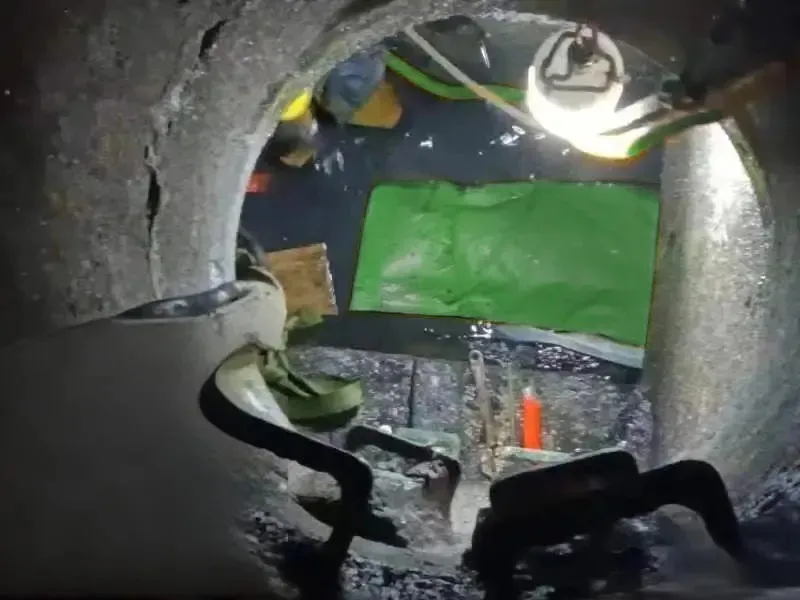
1. Due to pipe corrosion, severe leakage, and other reasons, it was difficult to stop water inside the pipe, and it was necessary to use UV-CIPP liners for water related operations.
2. The effect of water on UV-CIPP liners:
(1) The influence of water on the laying of the liner
When there was partial water accumulation or groundwater upwelling in the original pipe, the bottom film entered the original pipe and floated on the surface of the accumulated water, making it unable to adhere to the original pipe. During the conventional UV-CIPP liner laying process, it was easy to detach from the bottom film and rub against the original pipe, resulting in liner damage and water ingress.
(2) The influence of water on the curing of UV-CIPP liners:
The construction process of UV-CIPP liners must strictly reject water. If the inner fiberglass resin impregnation layer came into contact with water, the water and resin paste will undergo an emulsification reaction, resulting in whitening and a decrease in the mechanical properties of the cured liner.
Wall thickness:9mm
Length:60.6m
Application:Sewage pipe
Project Introduction:The pipe to be repaired was a DN800, 9mm sewage pipe with a total length of 60.6 meters. Due to the serious signs of aging in some areas of the sewage pipe system in this section, problems such as damage and leakage continue to emerge, which not only affected the normal operation of the urban sewage drainage system, but also posed potential pollution risks to the surrounding environment.
Construction Challenge:
1. Due to pipe corrosion, severe leakage, and other reasons, it was difficult to stop water inside the pipe, and it was necessary to use UV-CIPP liners for water related operations.
2. The effect of water on UV-CIPP liners:
(1) The influence of water on the laying of the liner
When there was partial water accumulation or groundwater upwelling in the original pipe, the bottom film entered the original pipe and floated on the surface of the accumulated water, making it unable to adhere to the original pipe. During the conventional UV-CIPP liner laying process, it was easy to detach from the bottom film and rub against the original pipe, resulting in liner damage and water ingress.
(2) The influence of water on the curing of UV-CIPP liners:
The construction process of UV-CIPP liners must strictly reject water. If the inner fiberglass resin impregnation layer came into contact with water, the water and resin paste will undergo an emulsification reaction, resulting in whitening and a decrease in the mechanical properties of the cured liner.
 |
 |
 |
 |
|
|
|
|
<< Prev: Pro-liner DN1800 UV-CIPP liner
>> Next: Pro-liner DN1000-1590 UV-CIPP liner
Get Solution




Copyright © 2026 Anhui Pro-liner Pipeline Repair Technology Co., Ltd.